Hey there, this is Hafiz from PTE School.
Today, I need to talk to you about something incredibly important. As of August 7, 2025, the landscape of both the PTE Academic exam and the Australian visa points system has fundamentally shifted. These are not minor tweaks; they are significant changes that will directly impact your preparation strategy and your migration journey.
I’ve created this detailed guide to break down exactly what’s new, what it means for you, and how you can adapt to succeed. We’ll cover two monumental updates:
First, let’s look at the changes Pearson has implemented. While the core structure of four sections (Speaking, Writing, Reading, Listening) remains, how you score in them has been dramatically altered.
Introducing Two New Speaking Questions
The Speaking section has expanded from five question types to seven. You’ll now encounter:
- Read Aloud
- Repeat Sentence
- Describe Image
- Re-tell Lecture
- Answer Short Question
- Summarize Group Discussion (New)
- Respond to a Situation (New)
Now, if these new questions sound familiar, you’re right. Pearson trialled them as non-scored, experimental items back in late 2023 and mid-2024. They were collecting data to train their AI scoring engine. As of August 7, 2025, these are no longer experiments—they are fully scored and contribute significantly to your overall result.
- Summarize Group Discussion: You will listen to a short conversation between multiple speakers discussing a topic. Afterwards, you will have to summarize the key points and opinions expressed in the discussion.
- Respond to a Situation: You will be presented with a common, real-life scenario (e.g., complaining about a faulty product, asking a professor for an extension). You will need to respond as you would in that situation, demonstrating your ability to communicate effectively and appropriately.
The Biggest Change: The Integrated Scoring Meltdown
This is, without a doubt, the most critical change you need to understand. PTE Academic was famous for its “integrated scoring,” where performing well in one task gave you points in two different sections. This allowed for clever strategies to boost scores in weaker areas.
That system has been drastically scaled back.
Let’s look at the most impactful changes:
| Question Task | Old Contribution (Before Aug 7, 2025) | New Contribution (From Aug 7, 2025) | Impact Analysis |
| Read Aloud | Speaking + Reading | Speaking ONLY | Massive. This was the single biggest contributor to the Reading score for many students. That support is now gone. You can no longer rely on your speaking to save your reading score. |
| Reading & Writing: Fill in the Blanks | Reading + Writing | Reading ONLY | Disastrous for Writing. This task was a huge source of “easy” points for the Writing section. Now, your writing score depends entirely on core writing and specific listening tasks. |
| Listening: Fill in the Blanks | Listening + Writing | Listening ONLY | Another major blow to Writing. Combined with the change above, the Writing section has lost its two biggest external props. Achieving a high score is now significantly harder. |
This isn’t just a minor reshuffle; it’s a fundamental change in the DNA of the PTE exam. The old mindset of “I’ll do well on Read Aloud to get my 79 in Reading” is no longer valid. You must now demonstrate core competence in each section.
Section-by-Section Breakdown: Where Your Scores Come From Now
Based on Pearson’s own Concordance Report for 2025, the priority of each question has shifted. Let’s break down the new hierarchy.
Speaking: The New King is ‘Describe Image’ 👑
Previously, everyone focused on Read Aloud and Repeat Sentence. While still important, the pecking order has changed.
New Speaking Score Contribution (Approximate %):
- Describe Image (~31%): Surprisingly, this is now the most important question for your speaking score. Fluency and structure are key.
- Summarize Group Discussion (~22%): The new kid on the block is already the second most important. Your ability to comprehend and summarize is critical.
- Repeat Sentence (~18%): Still a powerhouse, testing your listening and short-term memory.
- Re-tell Lecture (~12%): Its importance has grown. Content is crucial here.
- Respond to a Situation (~12%): A smaller piece, but still vital for showcasing practical communication.
- Read Aloud (~9%): A shocking drop! While still a factor, it is no longer the titan it once was for the speaking score.
And here’s a strange twist: Answer Short Question, while part of the Speaking section, no longer contributes to your Speaking score at all. It now only gives points to your Listening score.
Writing: The End of an Era for Fill in the Blanks ✍️
As we discussed, Writing has lost its two biggest external contributors. To get a high score now, you must excel at just four tasks.
New Writing Score Contribution (Approximate %):
- Write Essay (~31%): From a task many overlooked, the essay is now the most important question for your writing score. Templated, generic answers will not cut it.
- Summarize Written Text (~25%): This has also jumped in importance. Your ability to concisely paraphrase is non-negotiable.
- Write from Dictation (~23%): Still a critical task, contributing heavily from the Listening section.
- Summarize Spoken Text (~21%): The final pillar of your writing score. Note-taking and summary skills are essential.
Pearson has also standardized the number of these tasks you’ll receive:
- Summarize Written Text: Always 2
- Write Essay: Always 1
- Summarize Spoken Text: Always 1
This brings predictability but also raises the stakes for each performance.
Reading: A Return to Core Skills 📖
With Read Aloud no longer contributing, your reading score now depends almost entirely on your actual reading ability.
New Reading Score Contribution (Approximate %):
- Reading & Writing: Fill in the Blanks (~28%): Still the most important task within the reading section.
- Summarize Written Text (~22%): Yes, this Writing task is now the second-biggest contributor to your Reading score.
- Reading: Fill in the Blanks (Drag & Drop) (~19%): The classic drag-and-drop FIB remains crucial.
- Highlight Incorrect Words (~13%): A key task from the Listening section that tests active reading while listening.
- Re-order Paragraphs (~9%): Still requires strong logical and cohesive skills.The remaining questions (MCQ- Choose Single Answer and Multiple Answers, Highlight Correct Summary) have a much lower impact.
Listening: A New #1 Question Emerges 🎧
The listening section also sees a new leader, thanks to the addition of the new speaking tasks.
New Listening Score Contribution (Approximate %):
- Summarize Group Discussion (~20%): The new Speaking task is the biggest contributor to your Listening score. This makes sense, as you must first understand the discussion perfectly.
- Repeat Sentence (~16%): Its contribution here remains very strong.
- Re-tell Lecture (~14%): Content comprehension is key.
- Write from Dictation (~13%): A cornerstone for both Listening and Writing.
- Summarize Spoken Text (~11%)
- Highlight Incorrect Words (~8%)
- Fill in the Blanks (~6%)
The Rise of Content: Dual Scoring (AI + Human) is Here to Stay
This is the “why” behind many of these changes. Pearson is doubling down on ensuring you actually understand and produce meaningful language. For several key tasks, your response is now assessed by both the AI and a human assessor.
This “dual scoring” applies to:
- Summarize Written Text
- Summarize Spoken Text
- Summarize Group Discussion
- Respond to a Situation
What does this mean? Content is king. The system will first filter your response for relevance and content. If your response is off-topic or just a string of keywords without coherence, you risk scoring zero before the AI even assesses your fluency or grammar. Simply repeating words like a parrot in Re-tell Lecture or using a memorized template full of fluff for your essay is a recipe for failure.
Part 2: The New Australian Visa English Points System
As if the exam changes weren’t enough, the Department of Home Affairs has simultaneously moved the goalposts for visa applicants. The scores you need to claim 10 points (Proficient) or 20 points (Superior) for skilled migration have changed, and the bar has been raised significantly.
Old vs. New Scores: A Side-by-Side Comparison
Let’s be crystal clear about what you need to score from August 7, 2025, onwards.
For 20 Points (Superior English):
| Section | Old Requirement (Before Aug 7, 2025) | New Requirement (From Aug 7, 2025) | Analysis |
| Speaking | 79 | 88 | A massive jump of 9 points. Extremely challenging. |
| Writing | 79 | 85 | A 6-point increase in the section that has become much harder. |
| Reading | 79 | 70 | A welcome decrease, making this component more achievable. |
| Listening | 79 | 69 | Another significant drop, providing some relief. |
The Verdict: While the Reading and Listening requirements have eased, the Speaking and Writing scores are now at an elite level. Achieving an 88 in Speaking and an 85 in Writing without the old integrated scoring props is a monumental task.
For 10 Points (Proficient English):
| Section | Old Requirement (Before Aug 7, 2025) | New Requirement (From Aug 7, 2025) | Analysis |
| Speaking | 65 | 76 | A huge 11-point leap. What was once a manageable target is now a serious challenge. |
| Writing | 65 | 69 | A smaller but still significant 4-point increase. |
| Reading | 65 | 59 | A slight decrease, making it easier. |
| Listening | 65 | 58 | A notable decrease, providing some breathing room. |
The Verdict: The story is the same. The real battle for 10 points has now moved squarely to the Speaking and Writing sections.
The “Grandfather Clause”: A Window of Opportunity for Some
There is one piece of good news. The new legislation includes a transitional provision (Section 10 of the Migration (English Language Tests, Scores and Passports) Specification (LIN 25/034) 2025).
In simple terms, if your PTE Academic test result was published before August 7, 2025, it will be assessed against the old, lower requirements, even if you submit your visa application after this date (as long as your test is still valid).
If you have a valid 79+ in each band from a test taken in July 2025, for example, you can still claim 20 points. But for anyone taking the test from now on, the new, higher scores are the only path forward.
Part 3: Your New Game Plan for PTE Success
So, what does this all mean for you, the test-taker? It means your entire approach needs to evolve.
Why Old Shortcuts and Templates Will Fail You
The changes to scoring, particularly the dual AI+Human assessment and the new focus on content, are specifically designed to penalize the very things many people relied on:
- Mindless Repetition: Saying random keywords in Re-tell Lecture won’t work. The system is checking for a coherent summary.
- Over-reliance on Templates: If your essay is 70% pre-written sentences and 30% your own ideas, you will struggle. You can use a template as a structure or a wireframe, but the content—the meat of your argument—must be your own.
- Ignoring Weaker Sections: You can no longer use a high Speaking score to pull up a low Reading score. You must be competent across the board.
Those so-called “magic templates” and “guaranteed score” apps that just check for keywords are now more dangerous than ever. They give a false sense of security because they can’t evaluate context, logic, or coherence—the very things the new system prioritizes. For example, a scoring app might see the words “Robin,” “kills,” and “Ronnie” and give you full marks. But it can’t tell the difference between “Robin kills Ronnie” and “Ronnie kills Robin”—two sentences with completely opposite meanings. This is where manual, expert feedback becomes irreplaceable.
The Real Challenge: Conquering the New Speaking and Writing Hurdles
To get 88 in Speaking and 85 in Writing, you need more than just fluency. You need:
- Strong Content Generation: For essays and summaries, you need to understand the topic and formulate relevant ideas quickly. This requires improving your general knowledge and reading habits.
- Excellent Note-Taking Skills: For tasks like Re-tell Lecture, Summarize Spoken Text, and the new Summarize Group Discussion, your ability to capture key information accurately under pressure is paramount.
- Real Communicative Competence: You must sound natural and logical, not like you’re reciting a script.
My Blueprint for Success: Method Learning & A Smarter Study Plan
In my 10 years of coaching over 5,000 students, I’ve always focused on fundamentals over fads. That philosophy is more important now than ever. Here is what you need to do:
- Focus on Method, Not Memory: Don’t just memorize templates. Learn the method for brainstorming an essay, the method for structuring a summary, and the method for identifying key points in a lecture.
- Adopt an Analytical Study Plan: A study plan isn’t just a to-do list (“Do 2 essays today”). It’s a diagnostic tool. It should be: “Today I will do one essay. Then, I will analyze it to identify my specific mistakes. Was my grammar weak? Did I misunderstand the prompt? How can I rectify this specific error tomorrow?”
- Prioritize Manual Feedback: Practice on portals, but don’t trust their scores for speaking and writing. Use them as a notebook. You need a human expert to listen to you, read your work, and give you actionable feedback. This is the fastest way to improve.
- Build Your Core Skills:
- Improve Reading Habits: Read articles, news reports, and academic texts daily to improve your vocabulary and comprehension speed.
- Improve Note-Taking: Practice active listening and develop a shorthand system that works for you.
A Personal Invitation
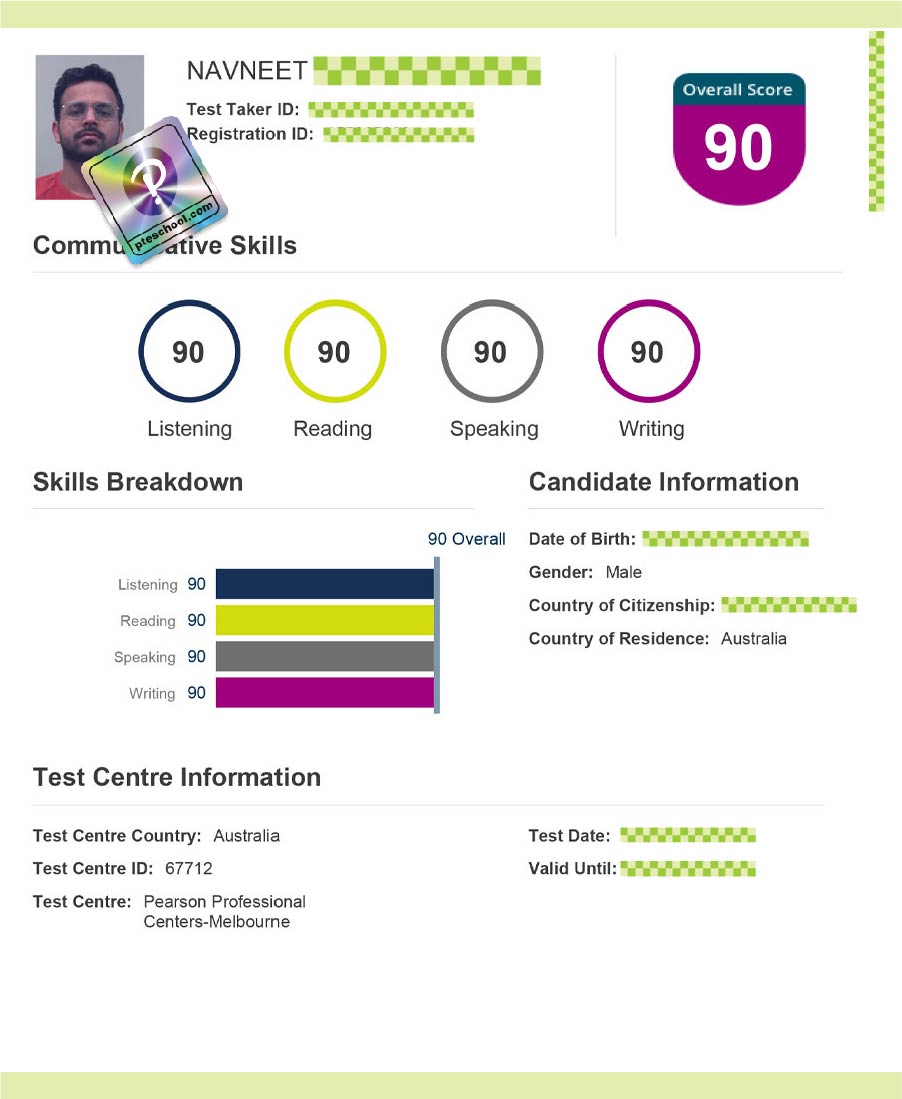
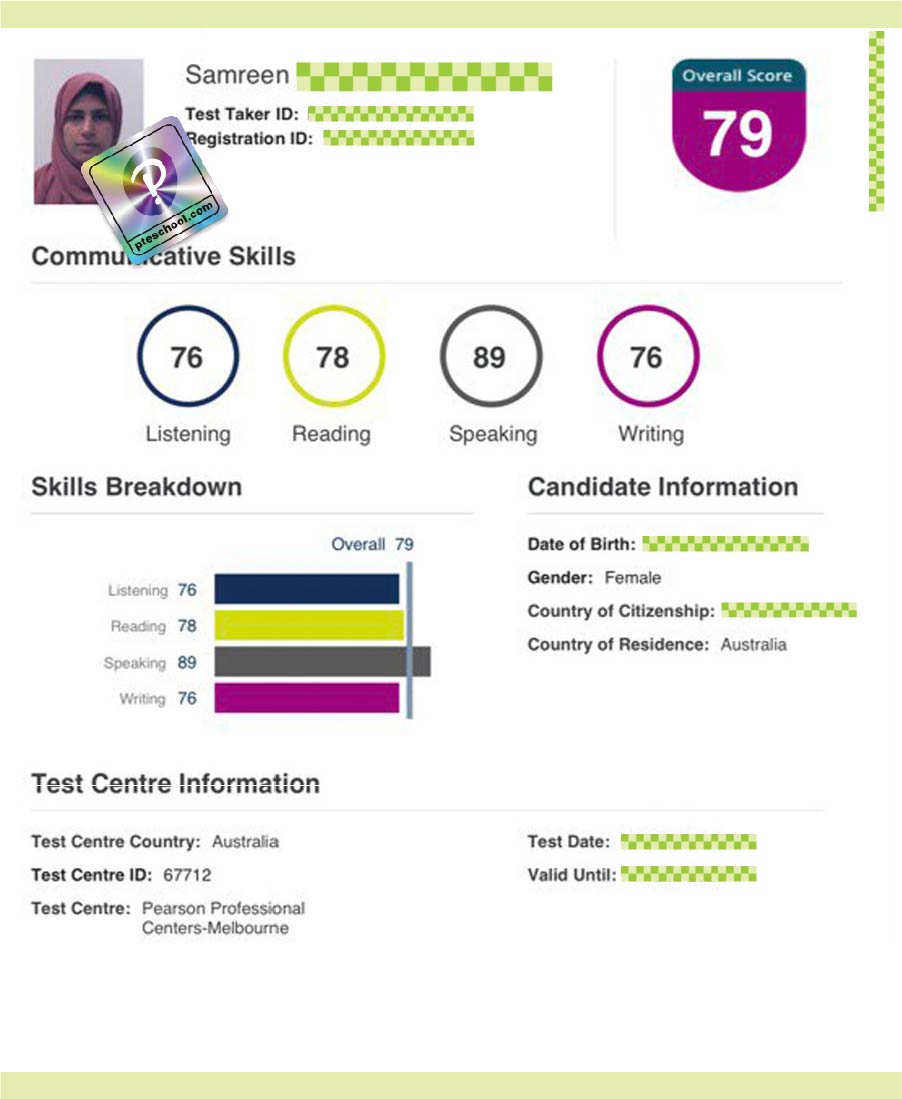
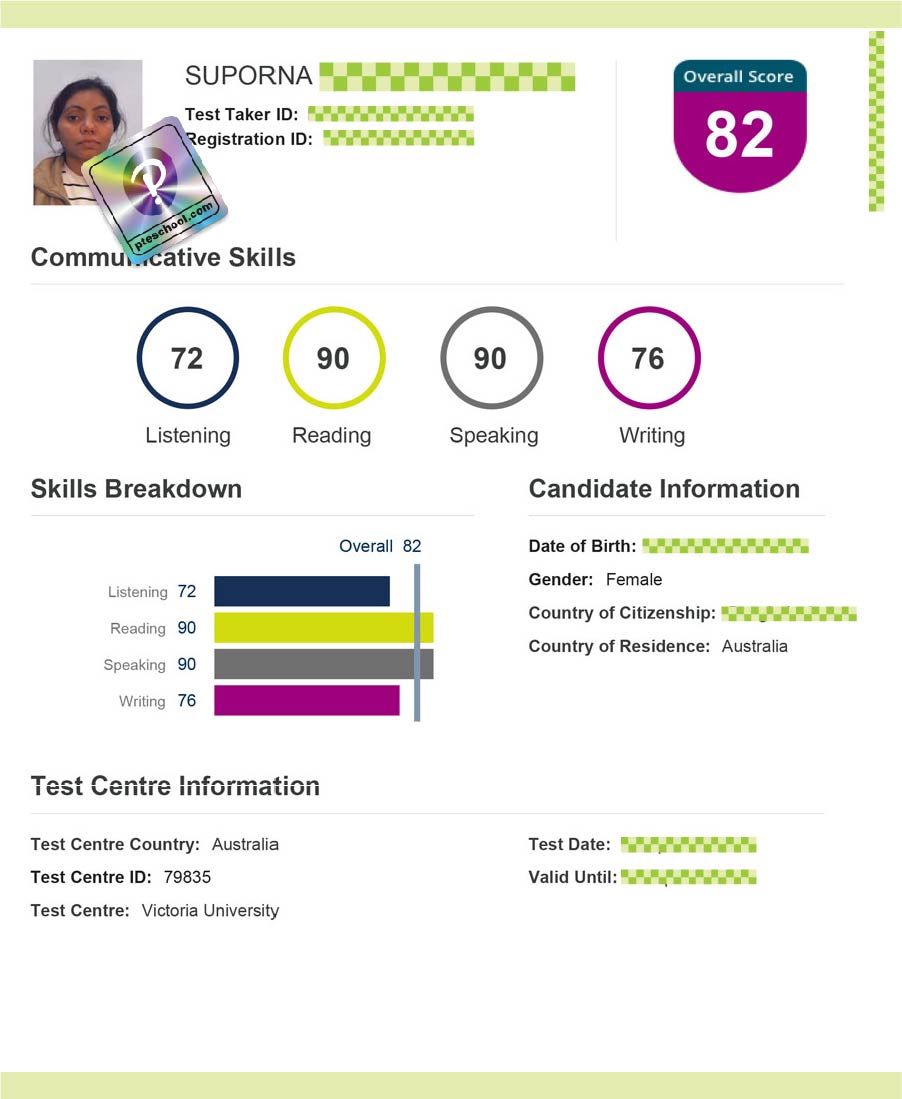
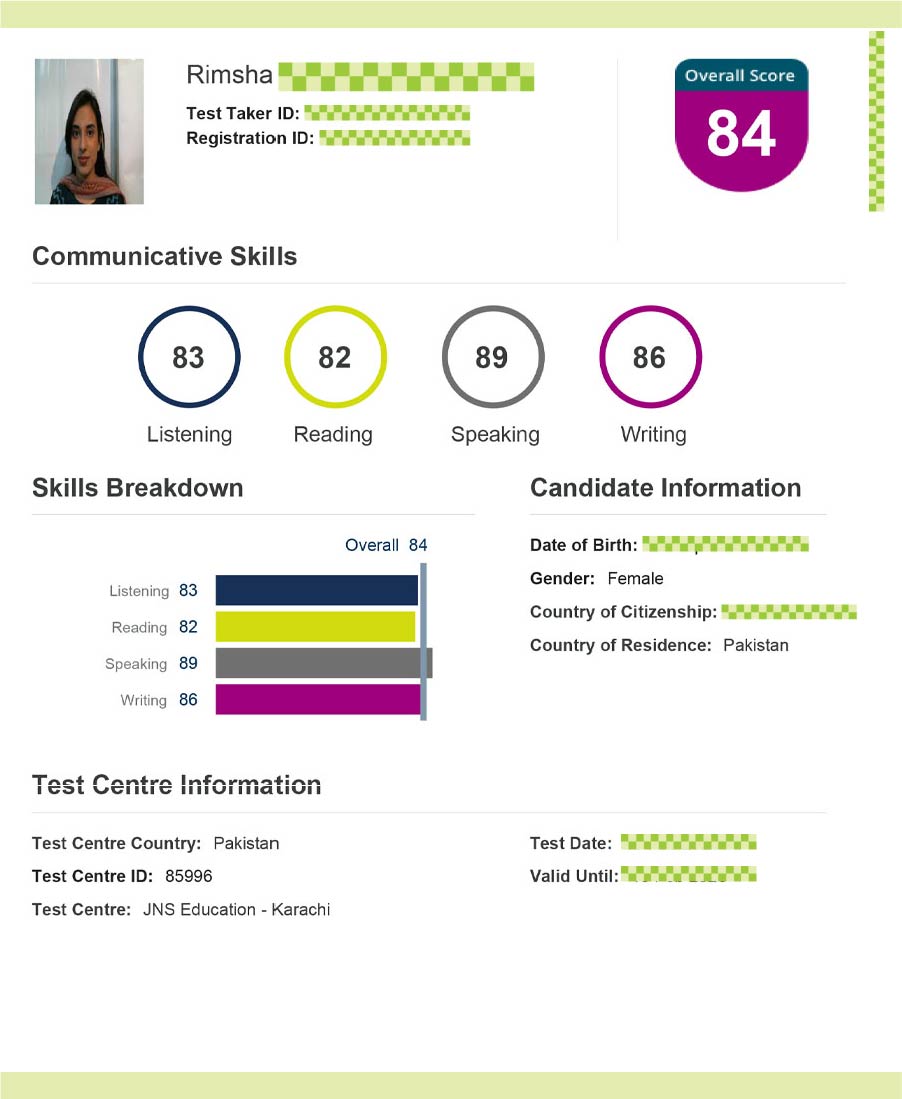
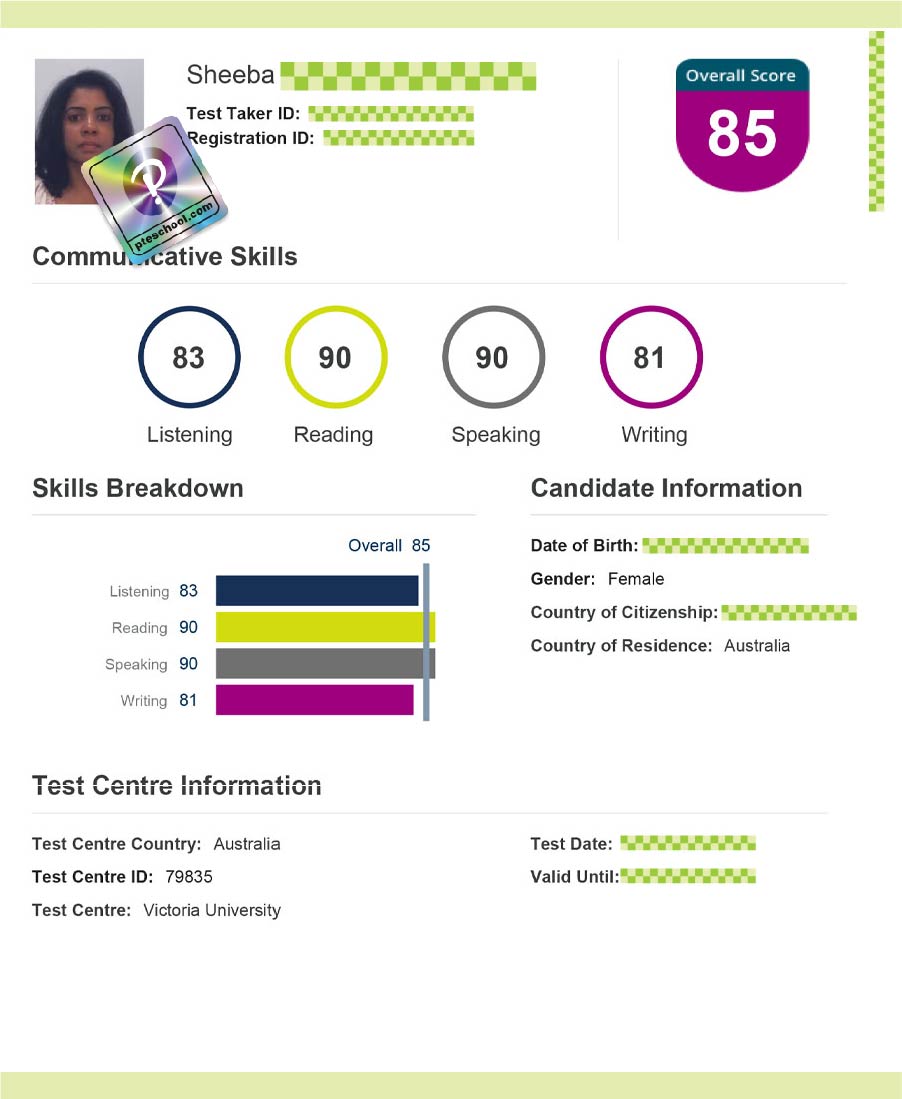
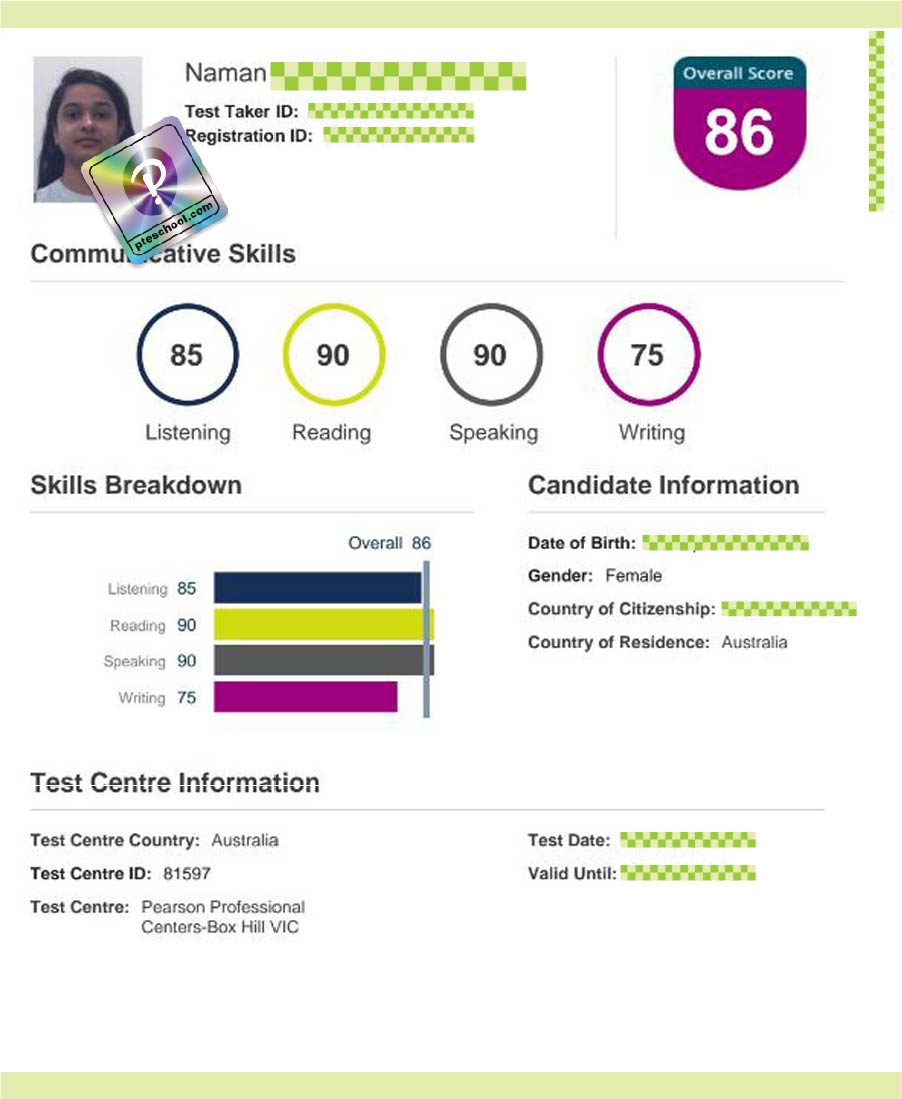
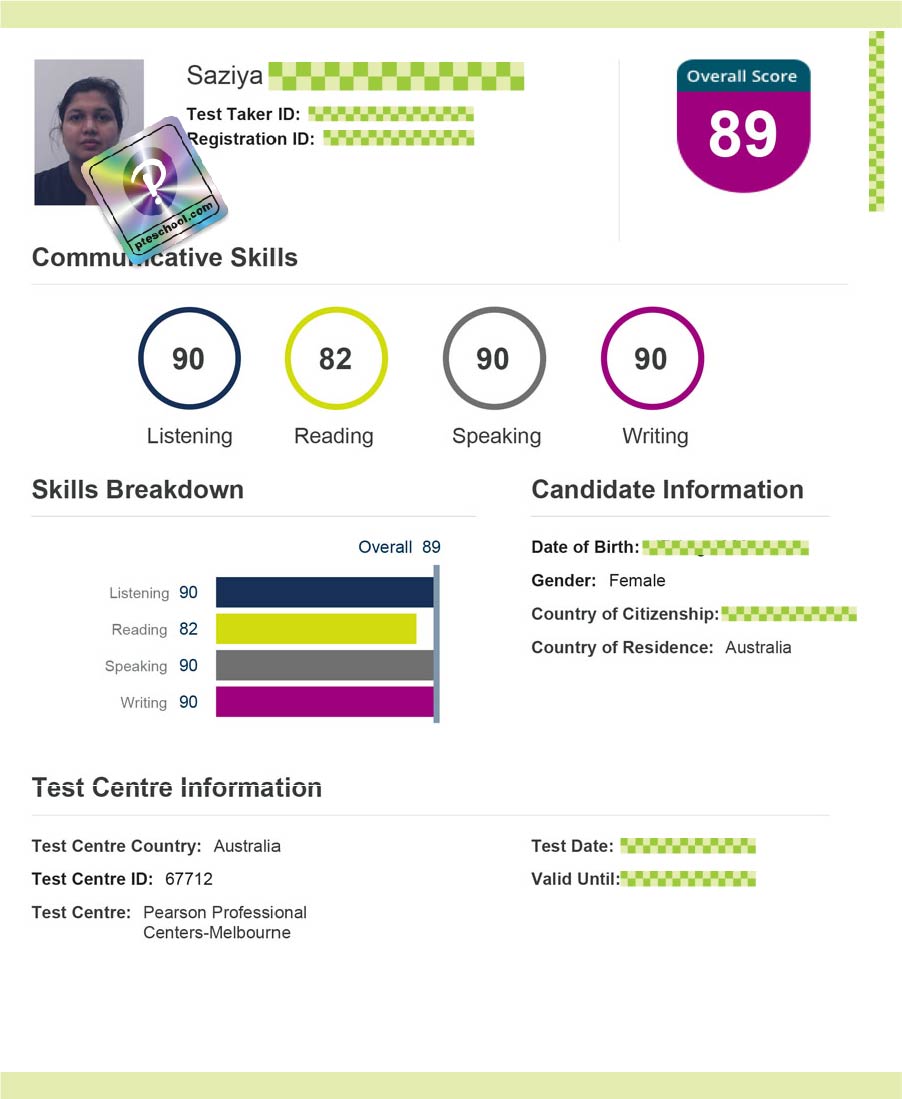
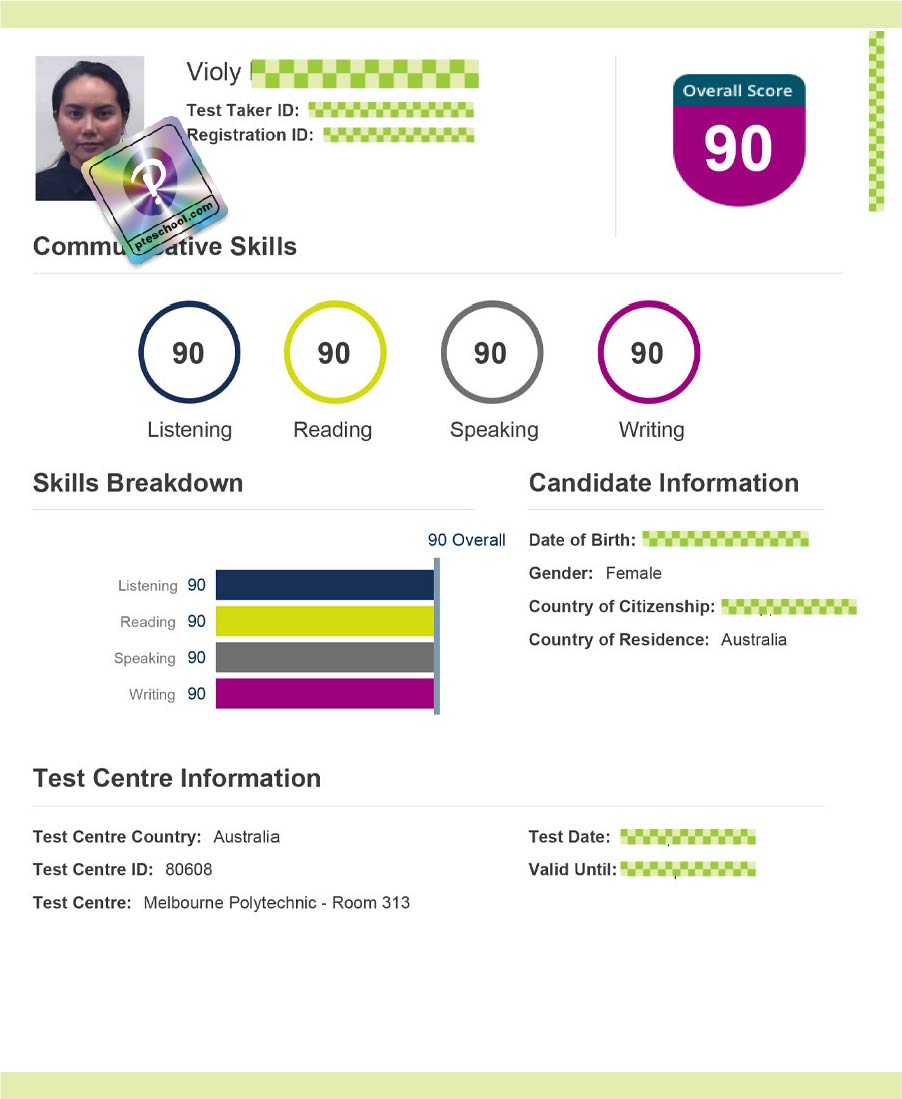
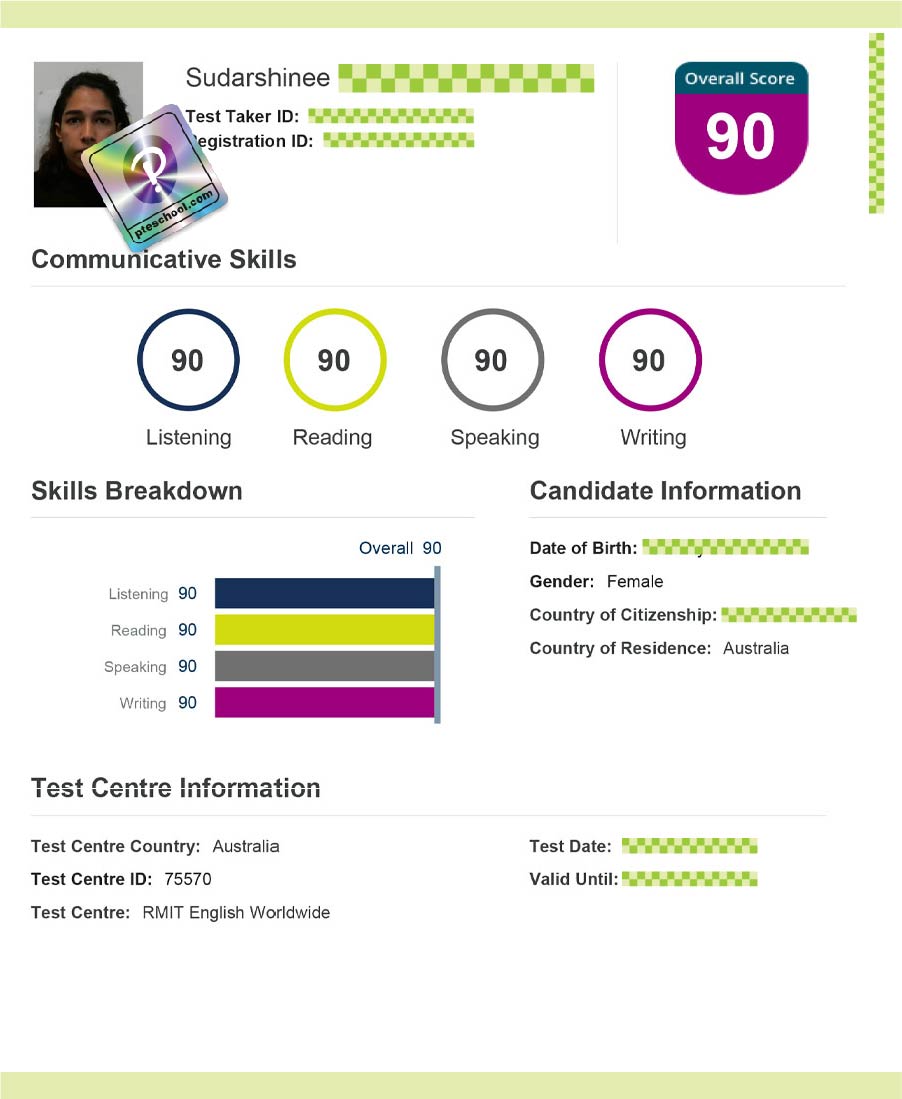
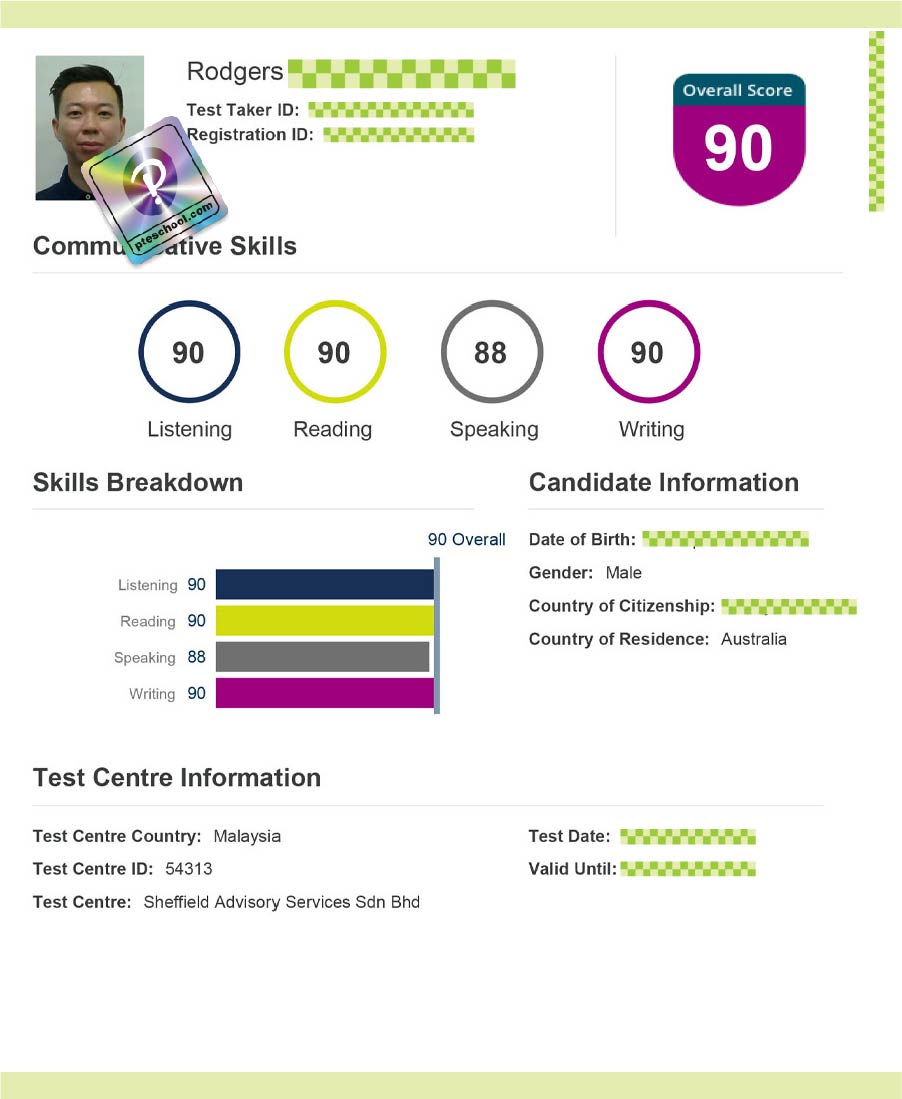
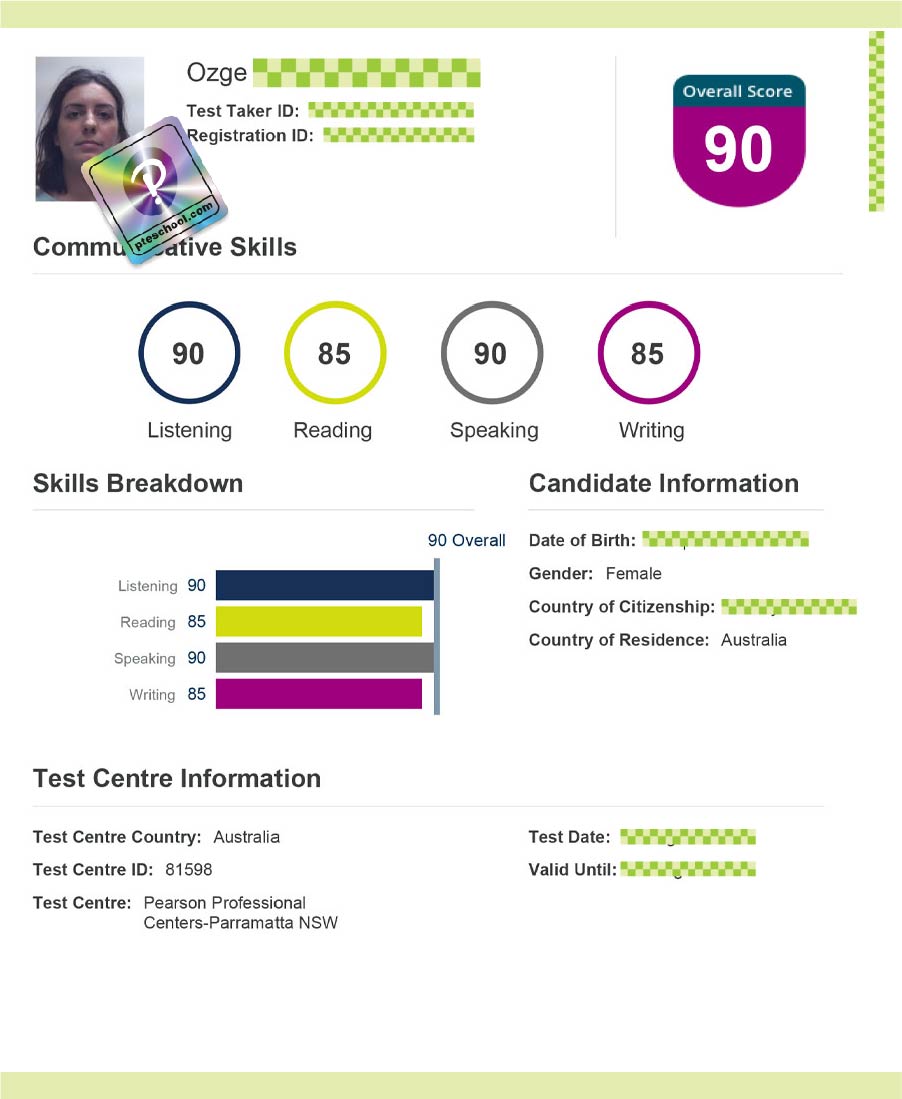
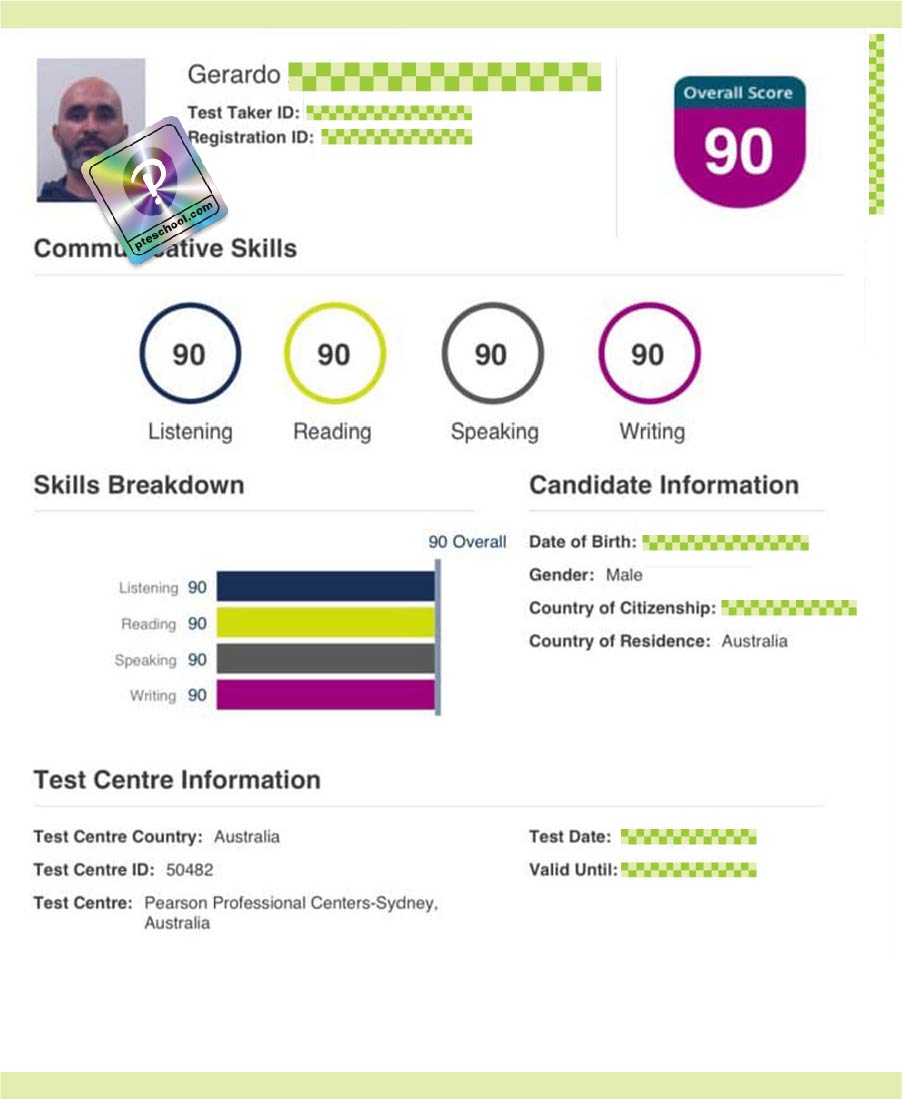
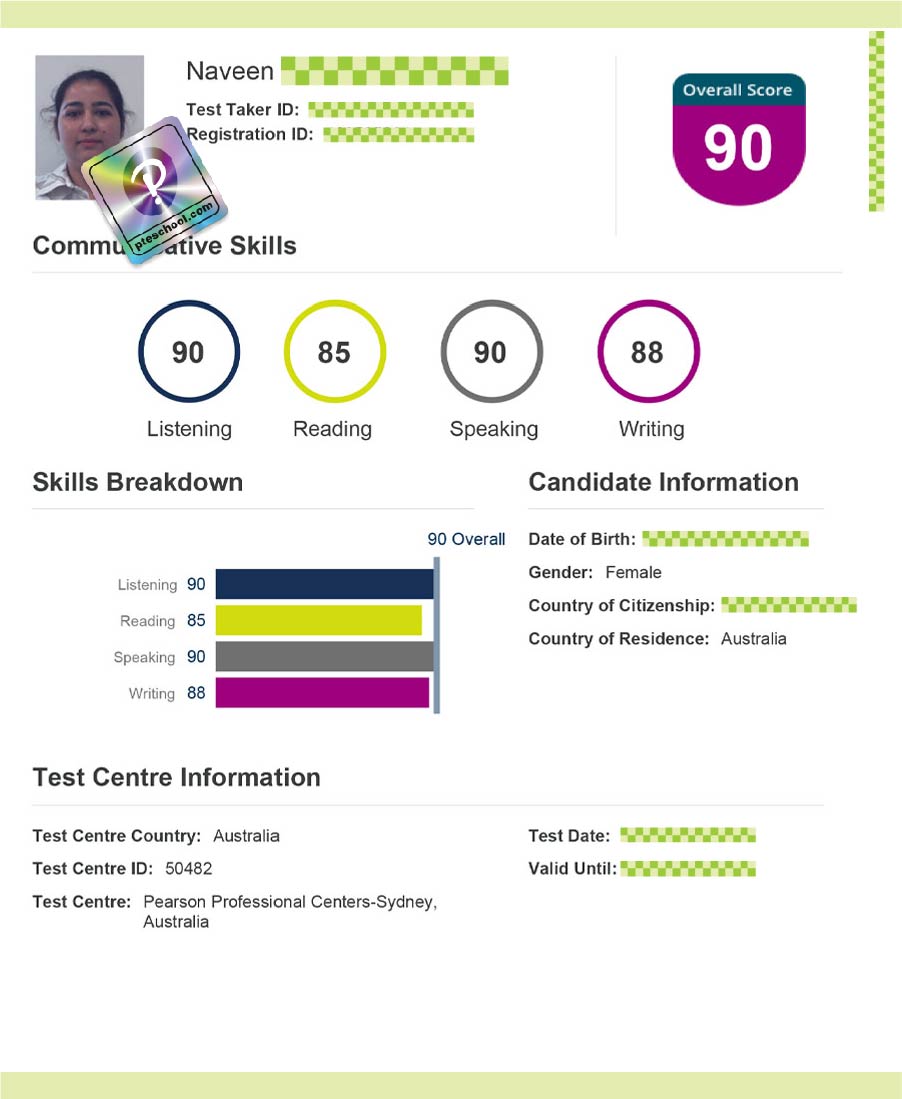
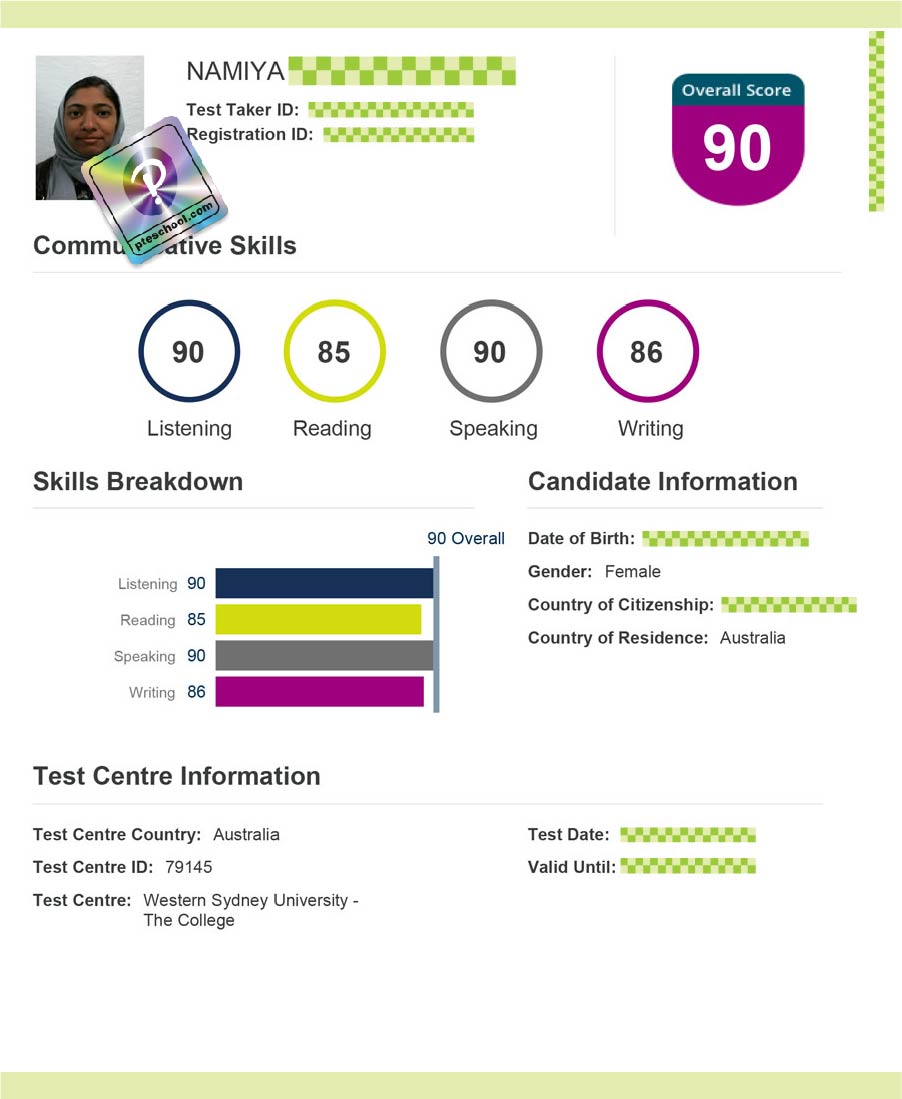
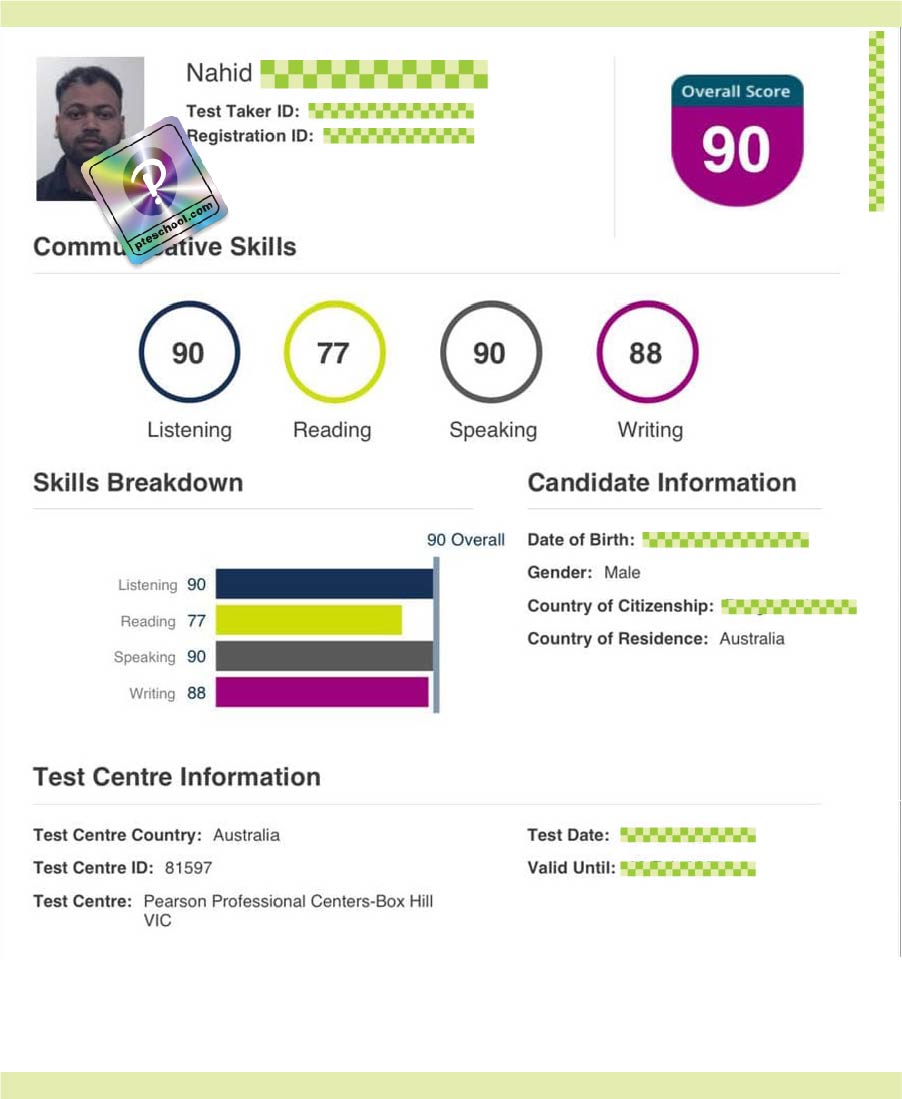
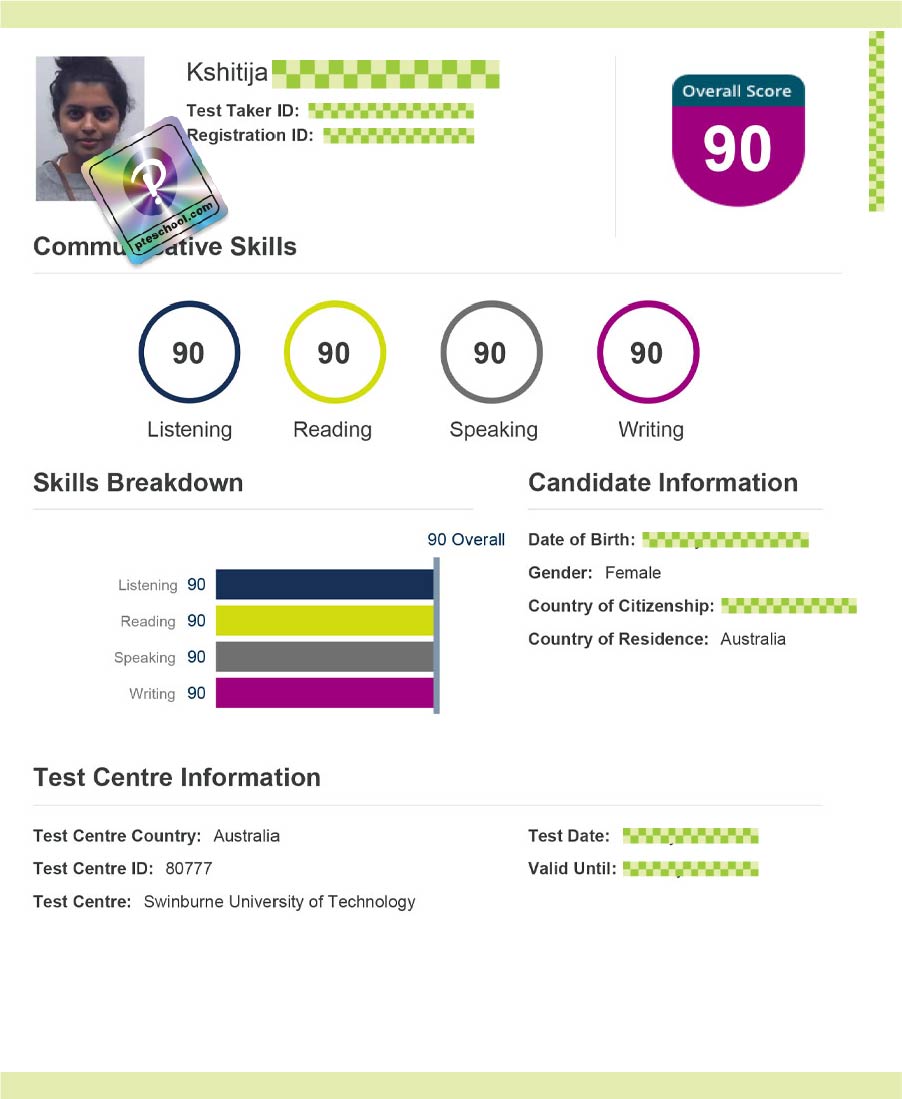
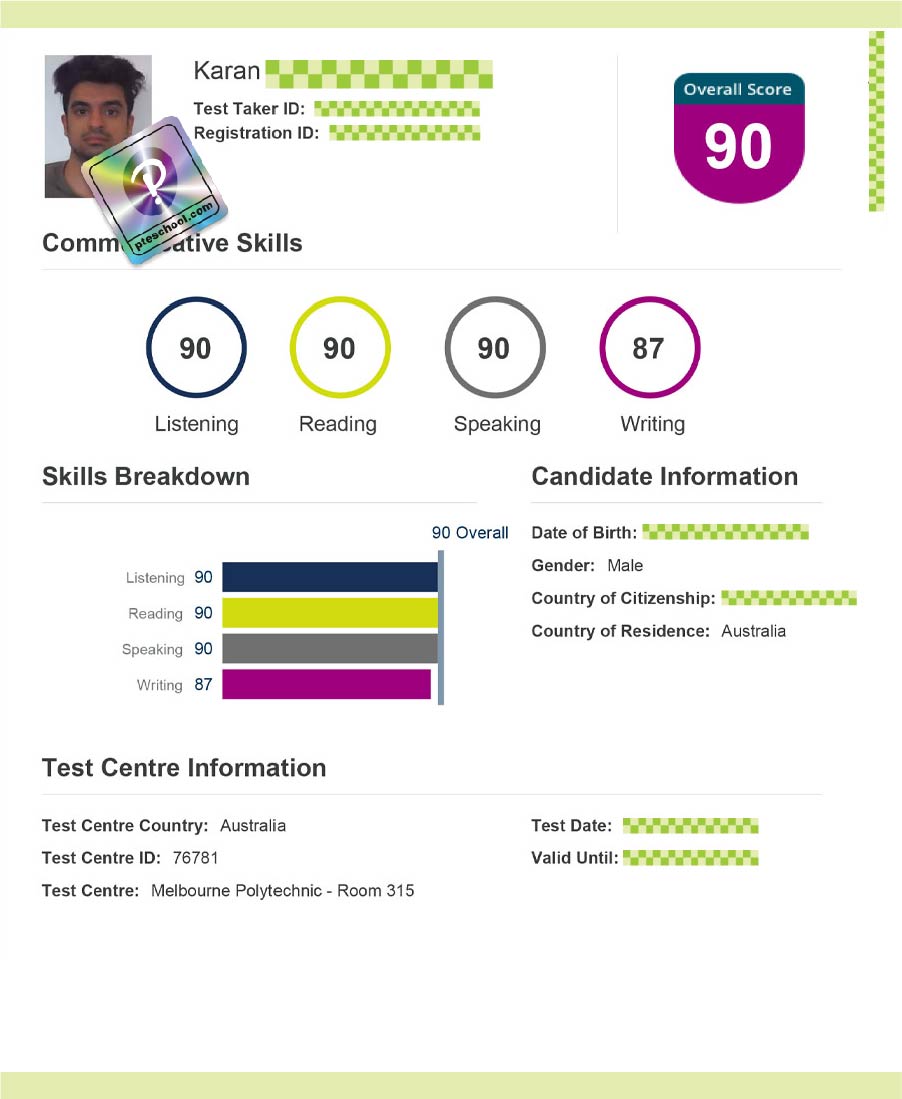
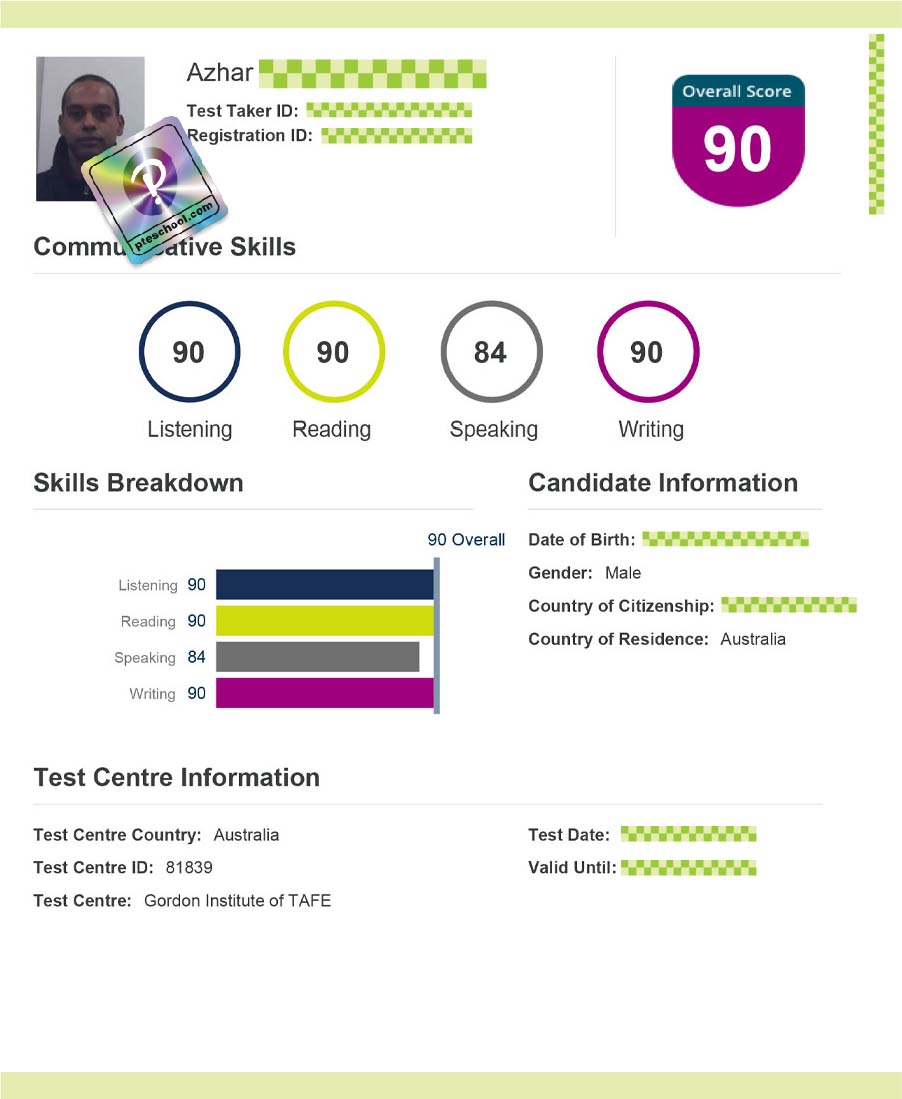
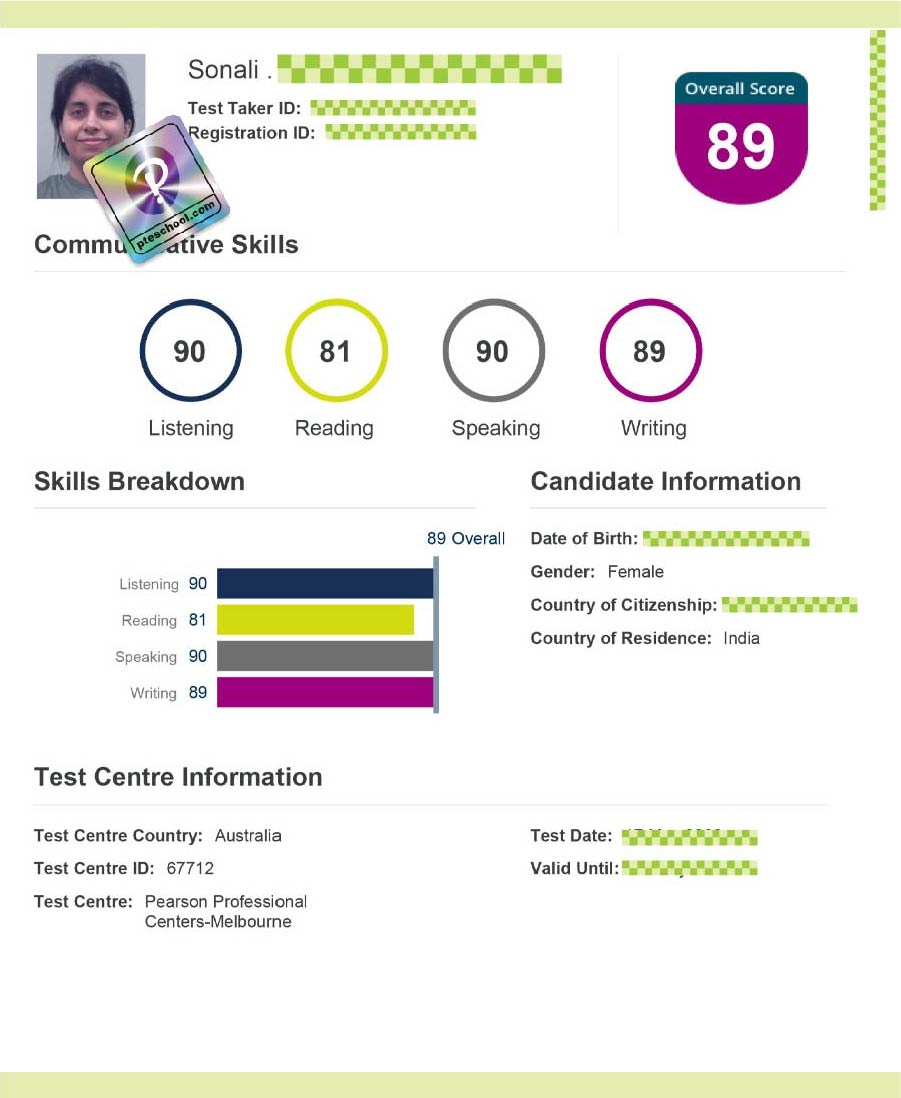
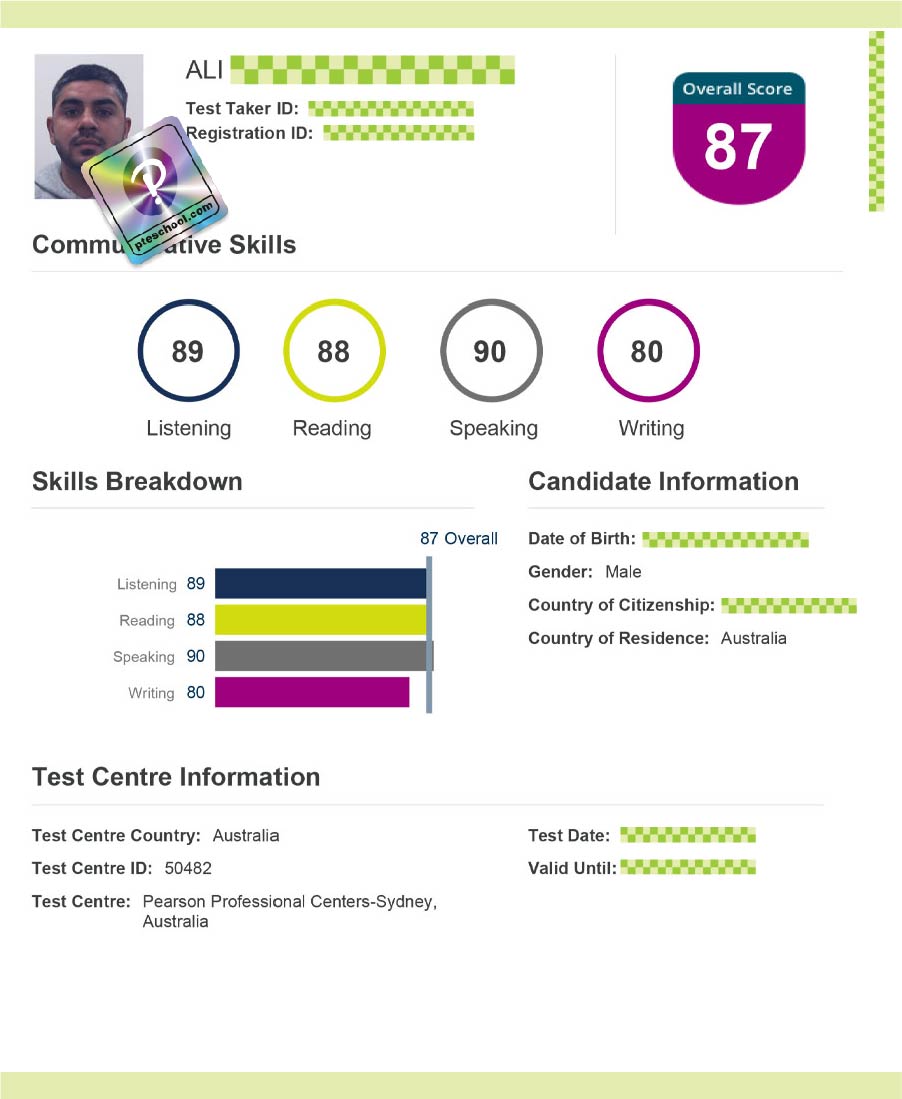
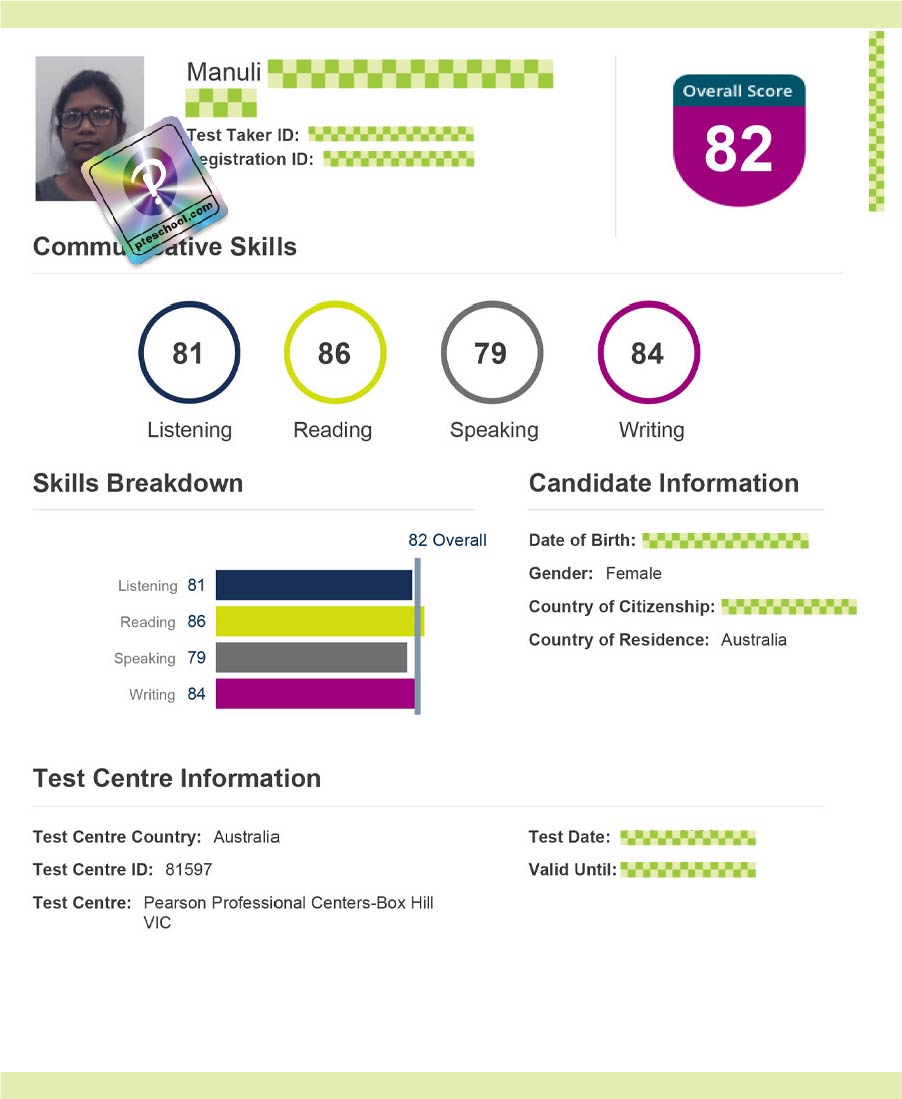
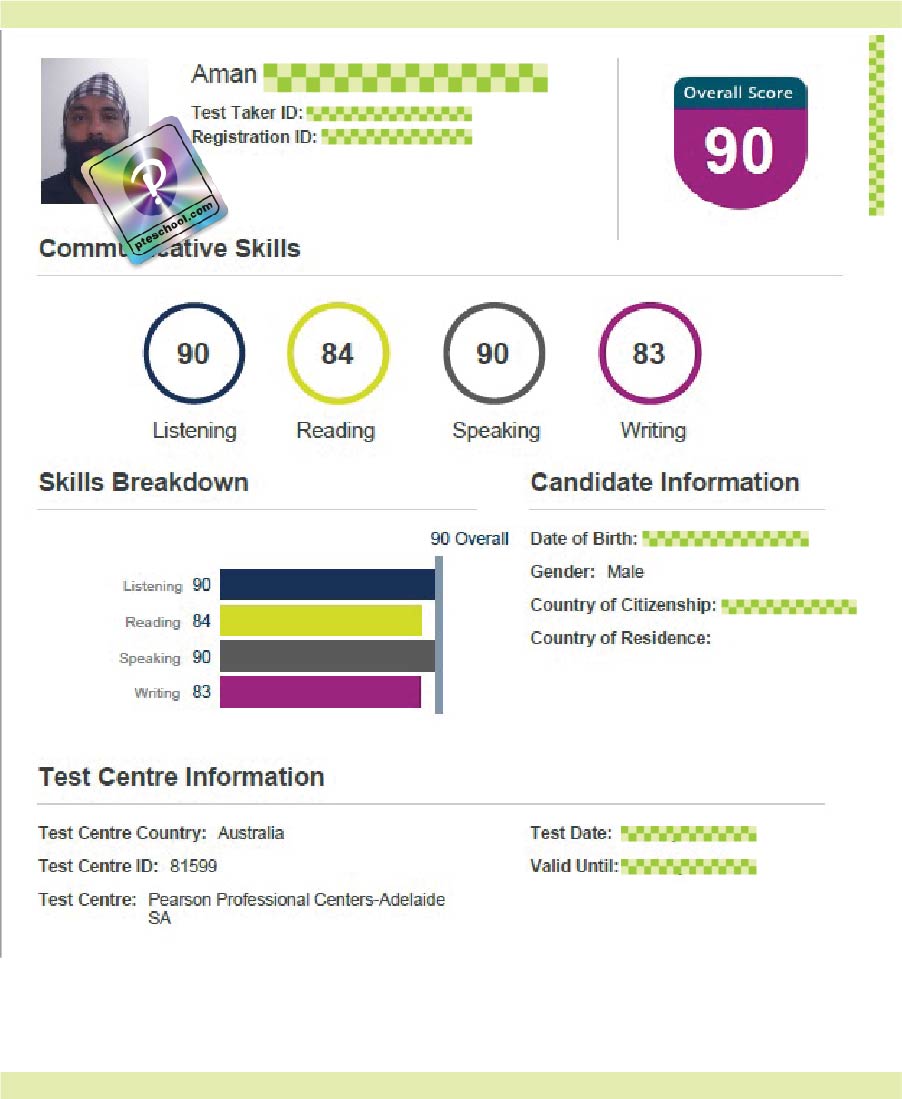
I know these changes can seem daunting, but they are manageable with the right strategy. At PTE School, we have helped over 600 students achieve a perfect 90 out of 90, with nearly half of them being first-time PTE test-takers. We don’t sell shortcuts; we teach the fundamental skills that lead to lasting success.
If you are serious about getting your target score in one attempt and want to understand how to prepare effectively for this new era of PTE, I want to help.
I invite you to book a free, no-obligation initial consultation with me. We can discuss your goals, assess your current level, and see if we are a good fit to work together. Your PTE exam costs $465 AUD—it’s an investment you should only have to make once.
Let’s make sure you’re fully prepared to not just face these changes, but to conquer them.
Thank you for taking the time to read this. I truly wish you all the best on your PTE journey. Think wisely, practice accordingly, and you will achieve your desired score.